


Engr. Kaltum Baba Isa
Lecturer II
Electronics and Communications

Welcome to Department of Electrical Engineering. It was founded in 1983, and one of the oldest departments in the faculty. The department has been producing highly qualified engineers and researchers in the field of electrical engineering.
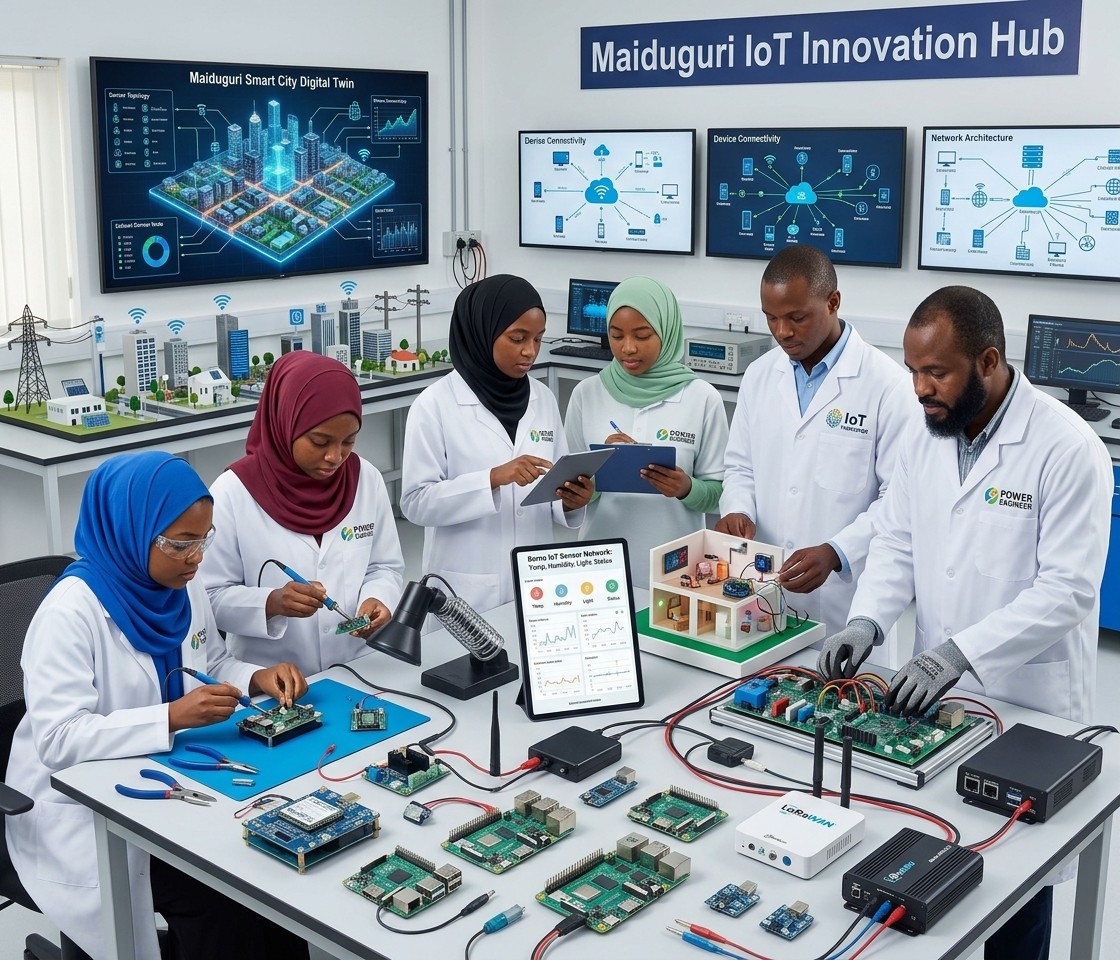
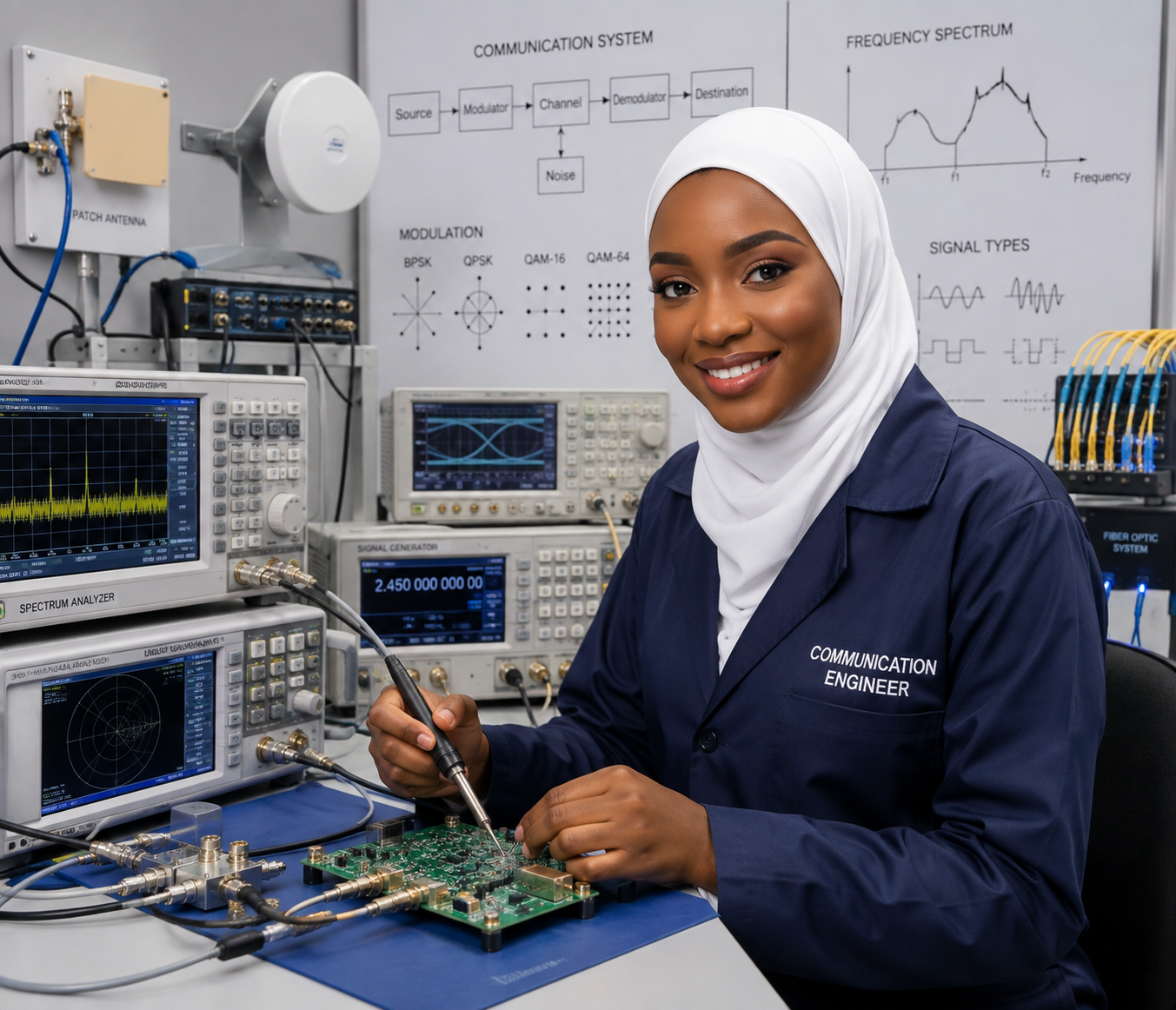

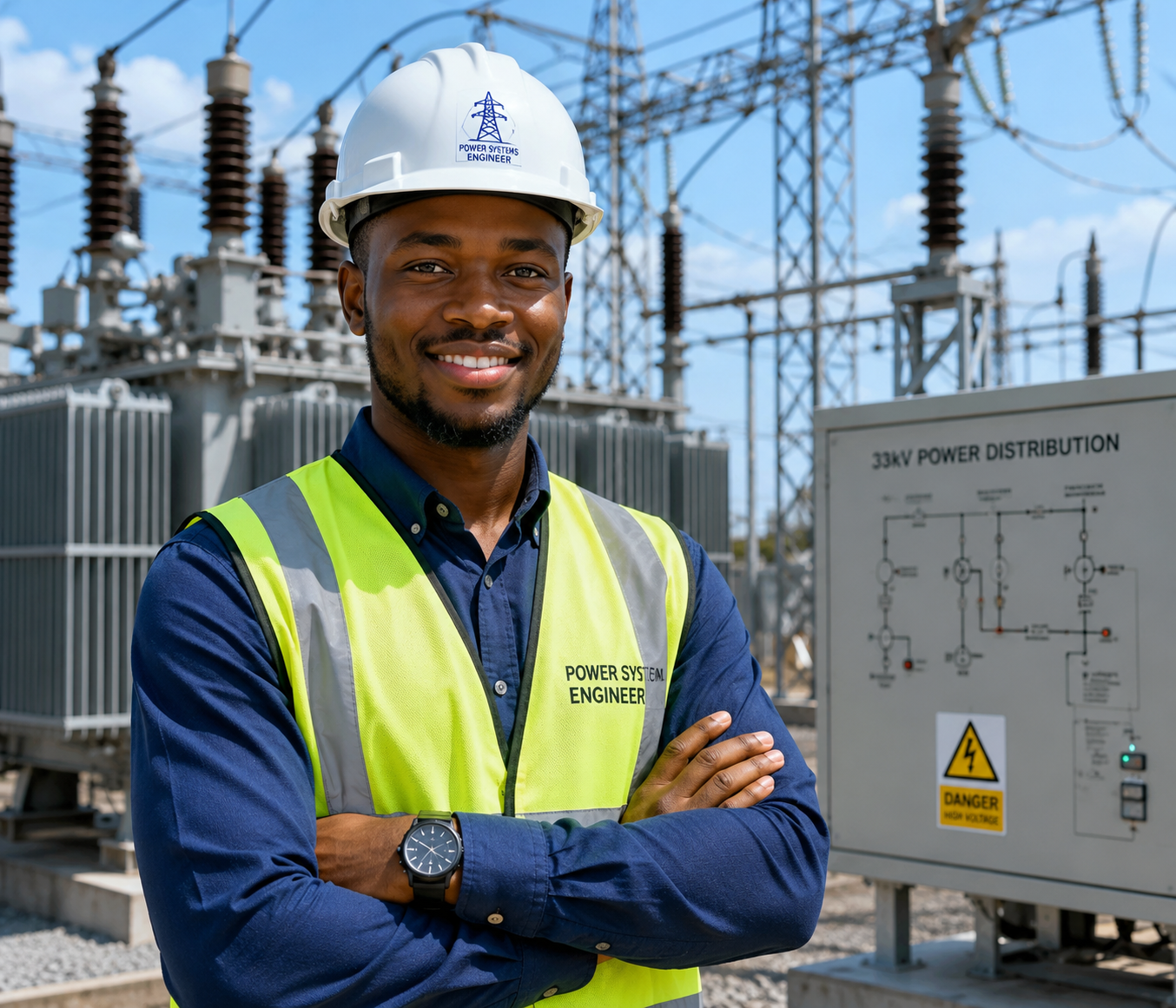
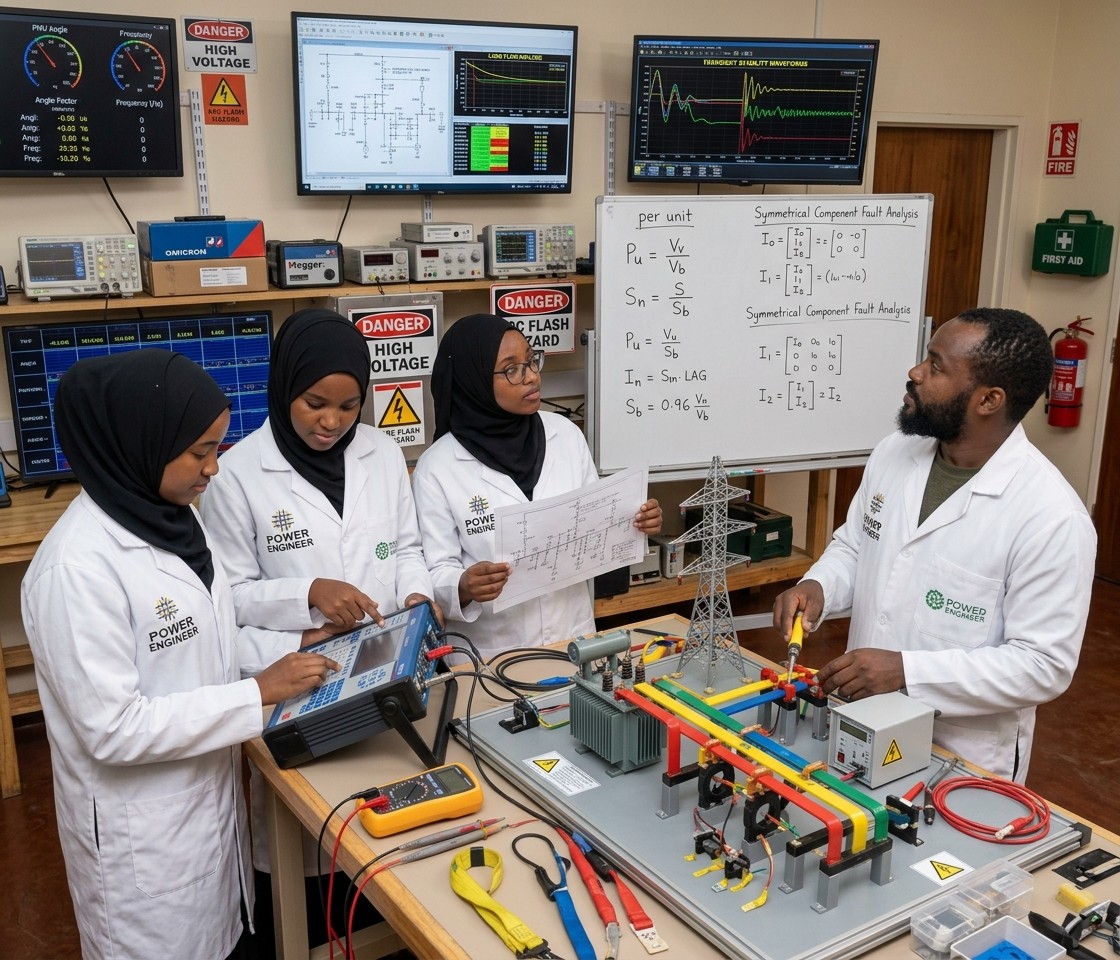
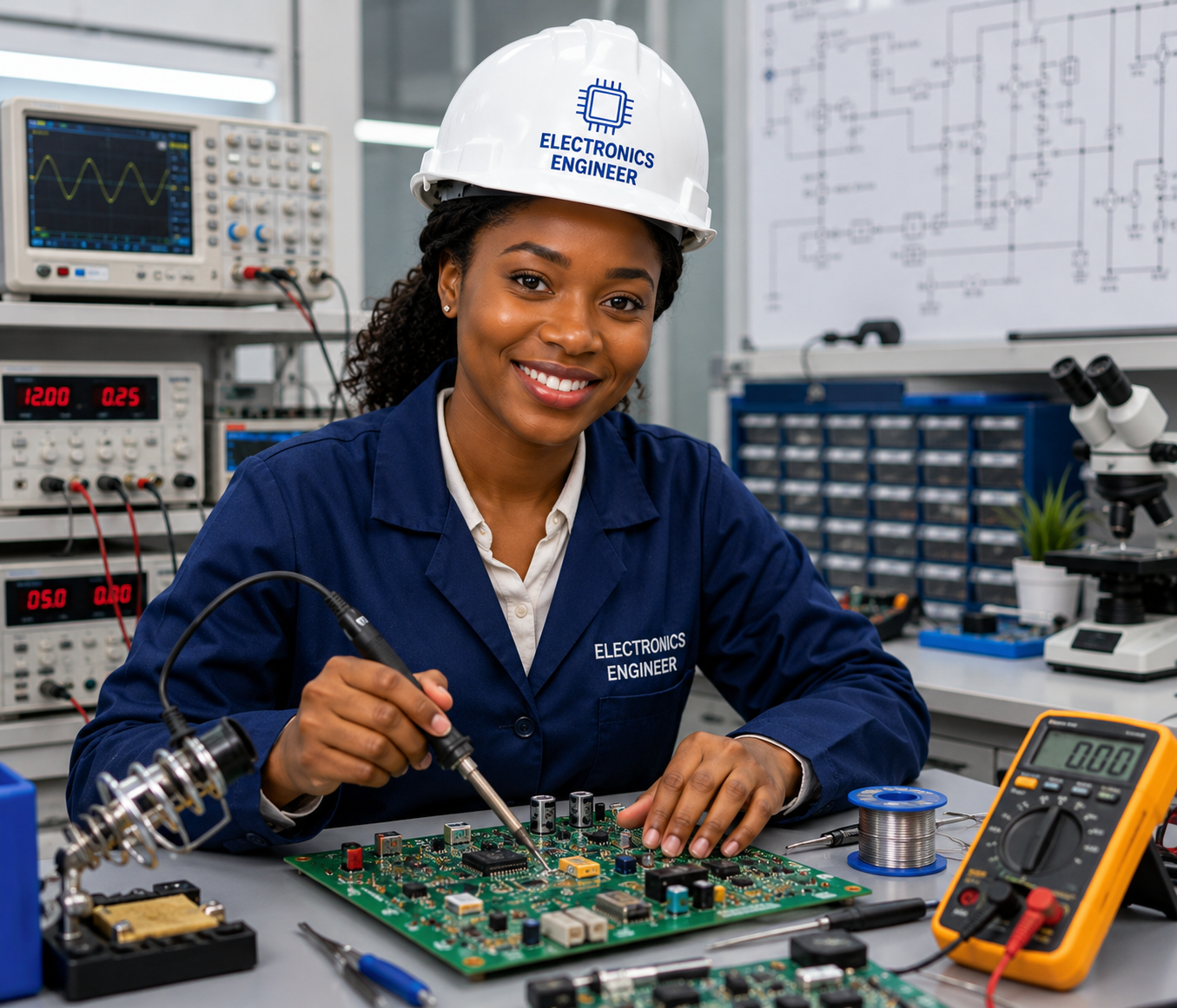
Creating Engineers for a Digital World.
Engineering Smart Solutions for a Better Future.
Engineering Smart Solutions for a Better Future.
Vision: is to be a centre of excellence in Electrical and Electronic Engineering education, research, and innovation, producing globally competitive engineers who contribute to sustainable technological advancement and national development.
Mission: is to provide high-quality education and research opportunities that foster innovation and entrepreneurship, preparing students to become effective professionals and leaders in the field of Electrical and Electronic Engineering.
The Programme Educational Objectives (PEOs) of the Bachelor of Engineering (B.Eng.) Programme in Electrical and Electronic Engineering are aligned with the University's vision and mission and reflect the needs of industry, society, and the engineering profession. They emphasize the development of professionally competent graduates with strong ethical values, innovative and problem-solving abilities, leadership qualities, and a commitment to lifelong learning. The Programme Educational Objectives (PEOs) are as follows:
1. POE1: Engineering Knowledge and Problem Solving. To apply knowledge of science, technology, engineering, and mathematics (STEM) to analyze, design, and develop systems, components, or processes that address real-world engineering problems while considering environmental, societal, and ethical standards.
2. POE2: Research, Innovation, and Technical Competence. To Conduct investigations using research-based methods, including experimentation, data analysis, and information synthesis, and utilize modern engineering and digital tools for modeling, simulation, and innovative solutions.
3. POE3: Professional Skills and Teamwork. To function effectively as individuals, team members, or leaders in multidisciplinary environments, demonstrating strong communication skills through technical reports, presentations, and professional documentation.
4. POE4: Entrepreneurship, Industry Engagement, and Management. To apply principles of engineering management in project execution, engage with industry for practical experience, and develop entrepreneurial skills for self-reliance and the creation of sustainable engineering ventures.
The Programme Outcomes (POs) define the knowledge, skills, and professional competencies that graduates are expected to demonstrate upon successful completion of the Bachelor of Engineering (B.Eng.) in Electrical and Electronic Engineering. They are aligned with COREN's Outcome-Based Education (OBE) framework and reflect the expectations of industry, academia, professional bodies, and other key stakeholders. The Programme Outcomes of the Bachelor of Engineering (B.Eng.) Programme in Electrical and Electronic Engineering are as follows:
1. PO1: Engineering Knowledge: Apply knowledge of mathematics, natural sciences, engineering fundamentals, and specialized electrical/electronic engineering knowledge to solve complex engineering problems.
2. PO2: Problem Analysis: Identify, formulate, research literature, and analyze complex electrical and electronic engineering problems using first principles of mathematics, natural sciences, and engineering sciences.
3. PO3: Design and Development of Solutions: Design creative solutions for complex engineering problems and design systems, components or processes to meet identified needs with appropriate consideration for public health and safety, whole-life cost, net zero carbon as well as resource, cultural, societal, and environmental considerations.
4. PO4: Investigation: conduct investigations of complex engineering problems using research methods including research- based knowledge, design of experiments, analysis and interpretation of data, and synthesis of information to provide valid conclusions.
5. PO5: Modern Tool Usage: Create, select and apply, appropriate techniques, resources, and modern engineering and IT tools for engineering practice, recognizing their limitations.
6. PO6: The Engineer and Society: When solving complex engineering problems, apply reasoning informed by contextual knowledge to assess societal, health, safety, legal, and cultural issues relevant to professional engineering practice.
7. PO7: Environment and Sustainability: Apply ethical principles and commit to professional ethics and norms of engineering practice and adhere to relevant national and international laws. Demonstrate an understanding of the need for diversity and inclusion.
8. PO8: Ethics: IApply ethical principles as an individual, and as a member or leader in diverse and inclusive teams and in multi-disciplinary, face-to-face, remote and distributed.
9. PO9: Communication: Communicate effectively and inclusively on complex engineering activities with the engineering community and with society at large, such as being able to comprehend and write effective reports and design documentation, make effective presentations, taking into account cultural, language, and learning differences.
10. PO10: Project Management and Finance: Apply knowledge of mathematics, natural sciences, engineeringApply knowledge and understanding of engineering management principles and economic decision-making and apply these to one’s own work, as a member and leader in a team, and to manage projects and in multidisciplinary environments.
11. PO11: Life-long Learning: Recognize the need for, and have the preparation and ability for i) independent and life-long learning ii) adaptability to new and emerging technologies and iii) critical thinking in the broadest context of technological change (K8)
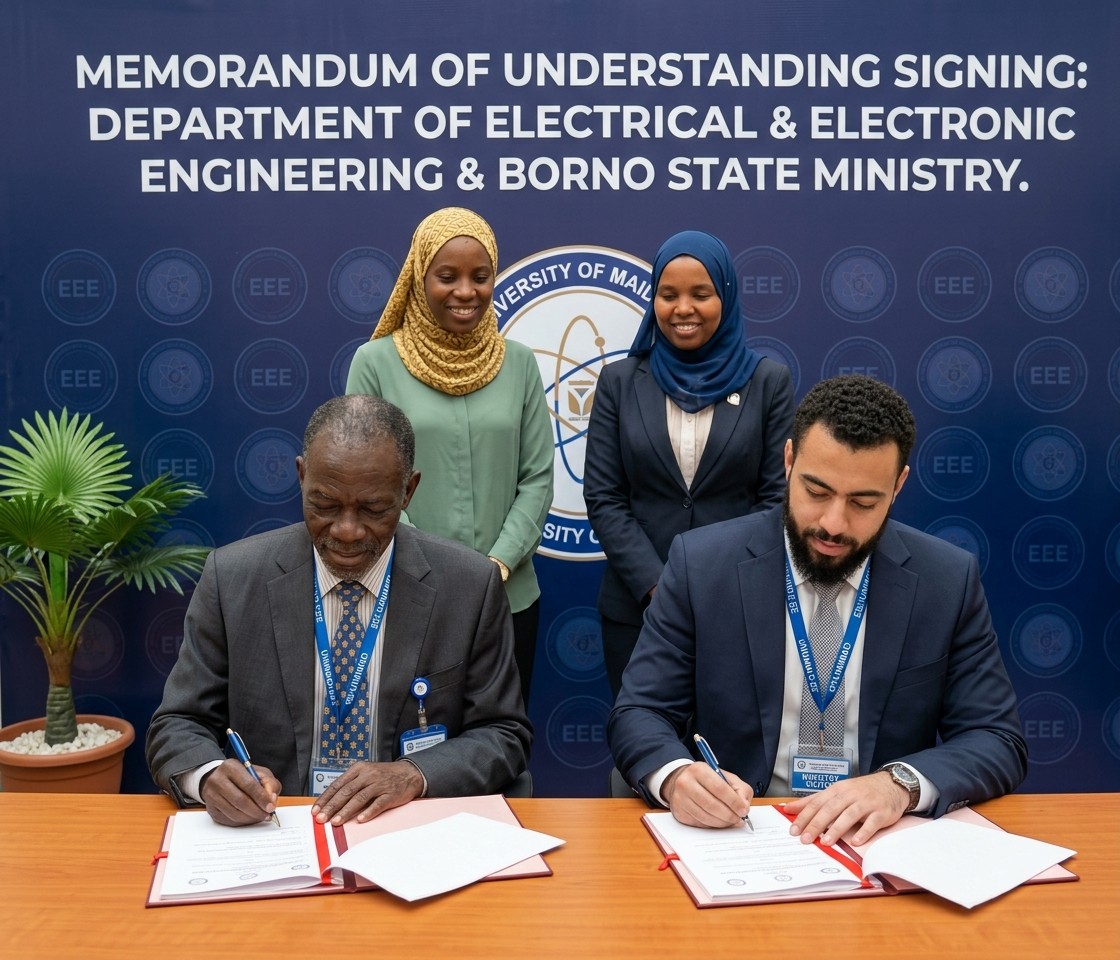
Established in 1983, the Department of Electrical and Electronic Engineering has been committed to academic excellence, innovation, and professional development. Student enrolment commenced in the 1984/1985 academic session, producing graduates who excel in industry, academia, and research.
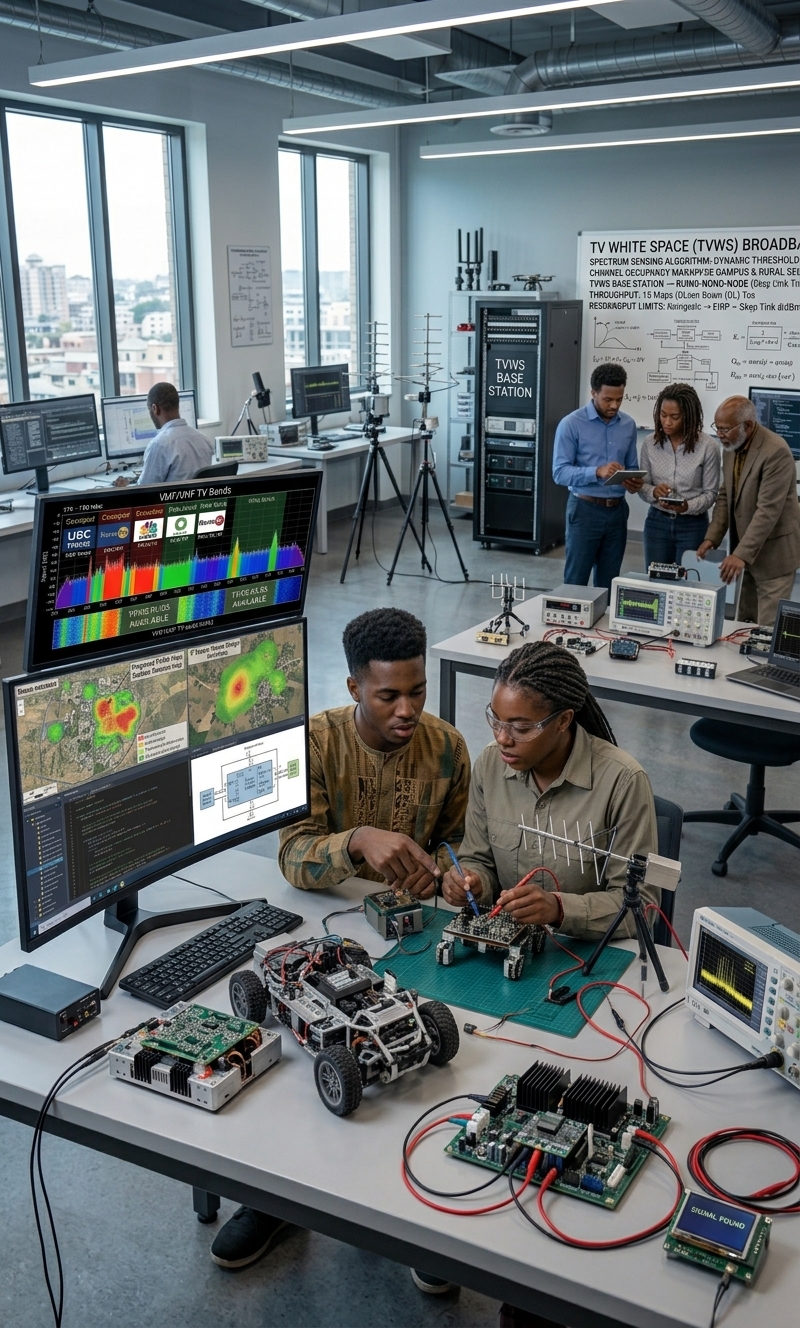
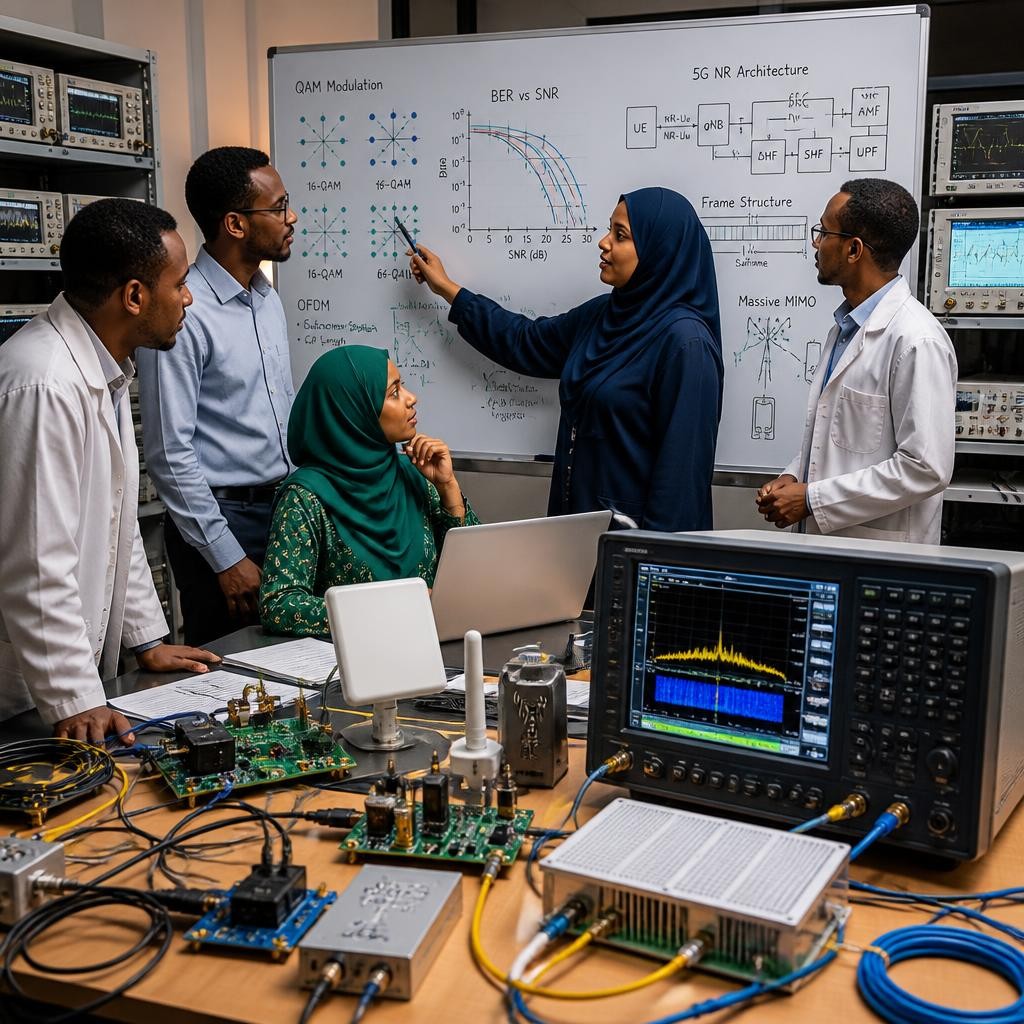
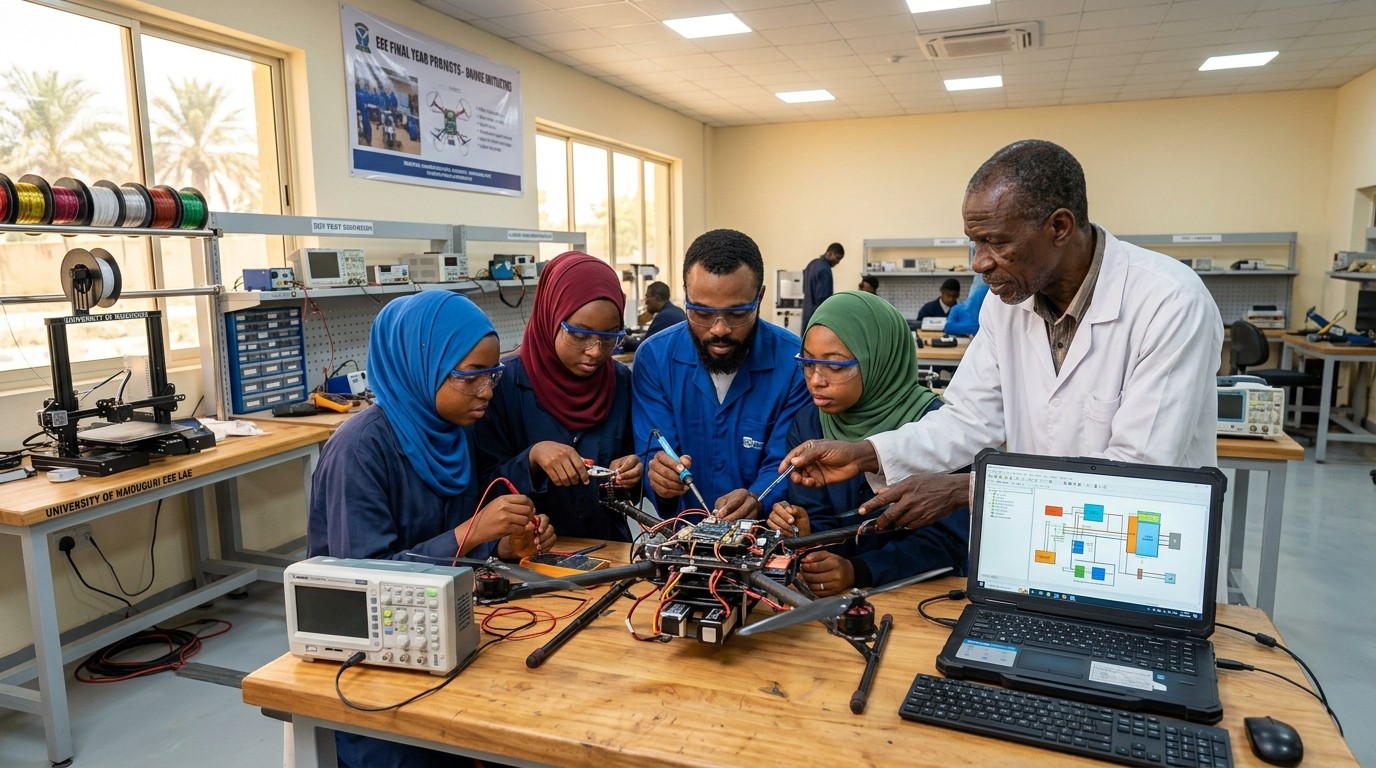
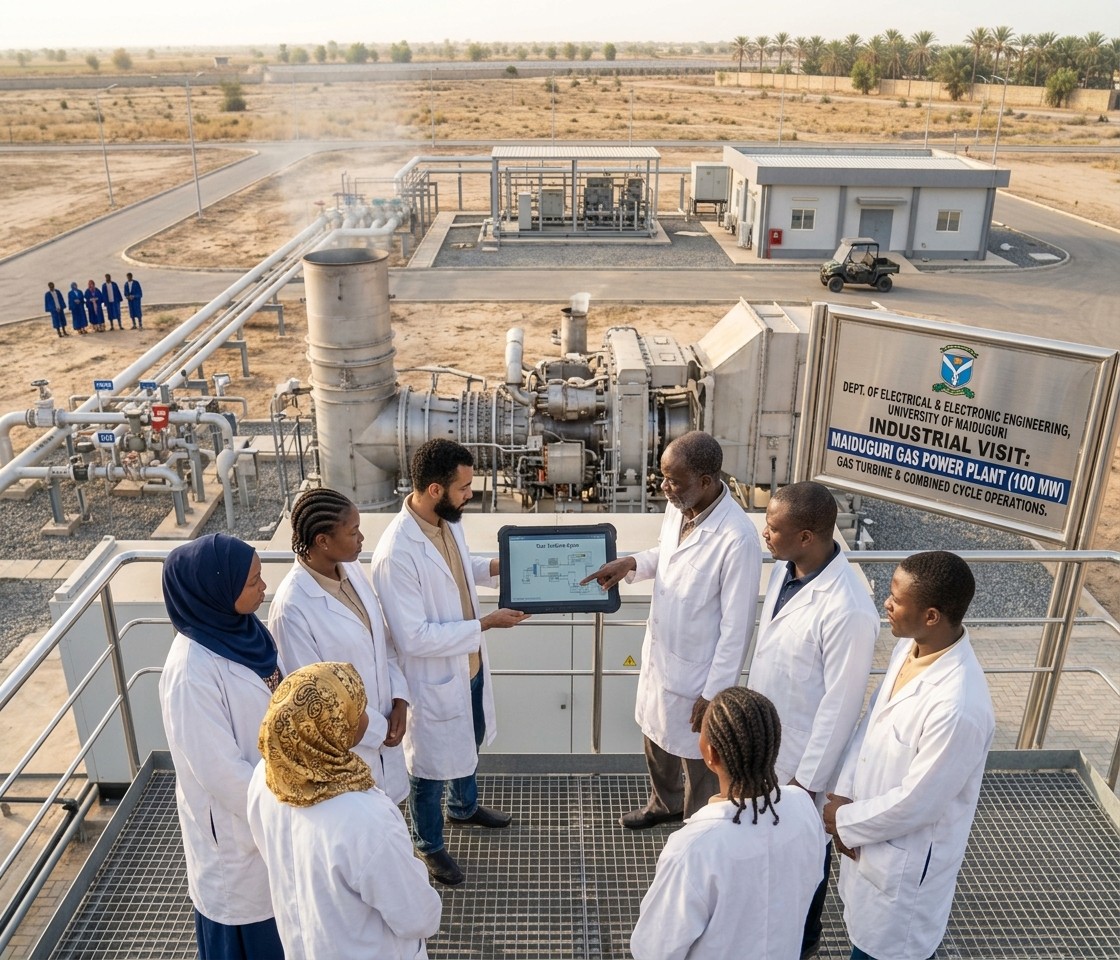
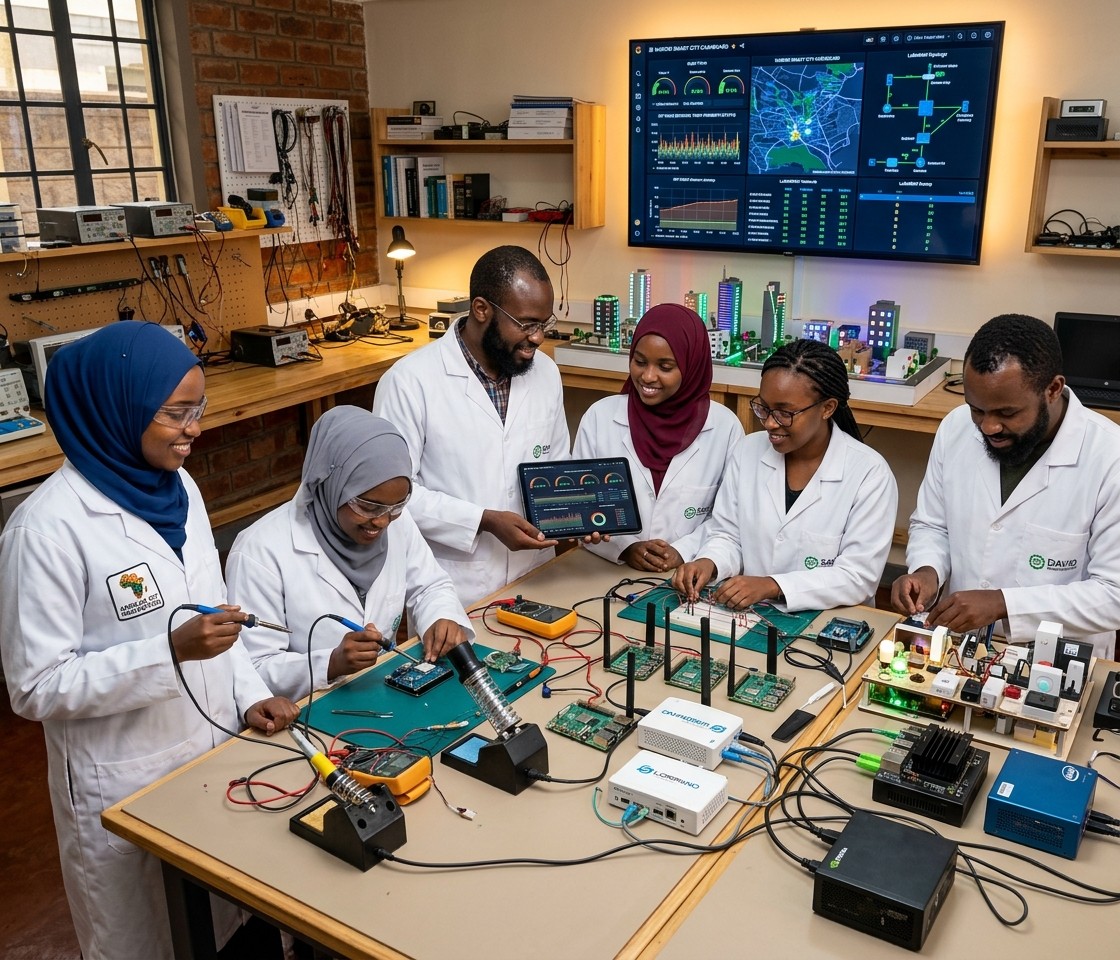
Our programme combines rigorous theoretical instruction with hands-on laboratory training, SIWES, and final-year design projects. Students specialize in Power Systems and Renewable Energy, Control and Automation, Electronics and Embedded Systems, Telecommunications and Signal Processing, and Computer and Digital Systems.
Designed for Learning. Built for Innovation. Ready for Industry
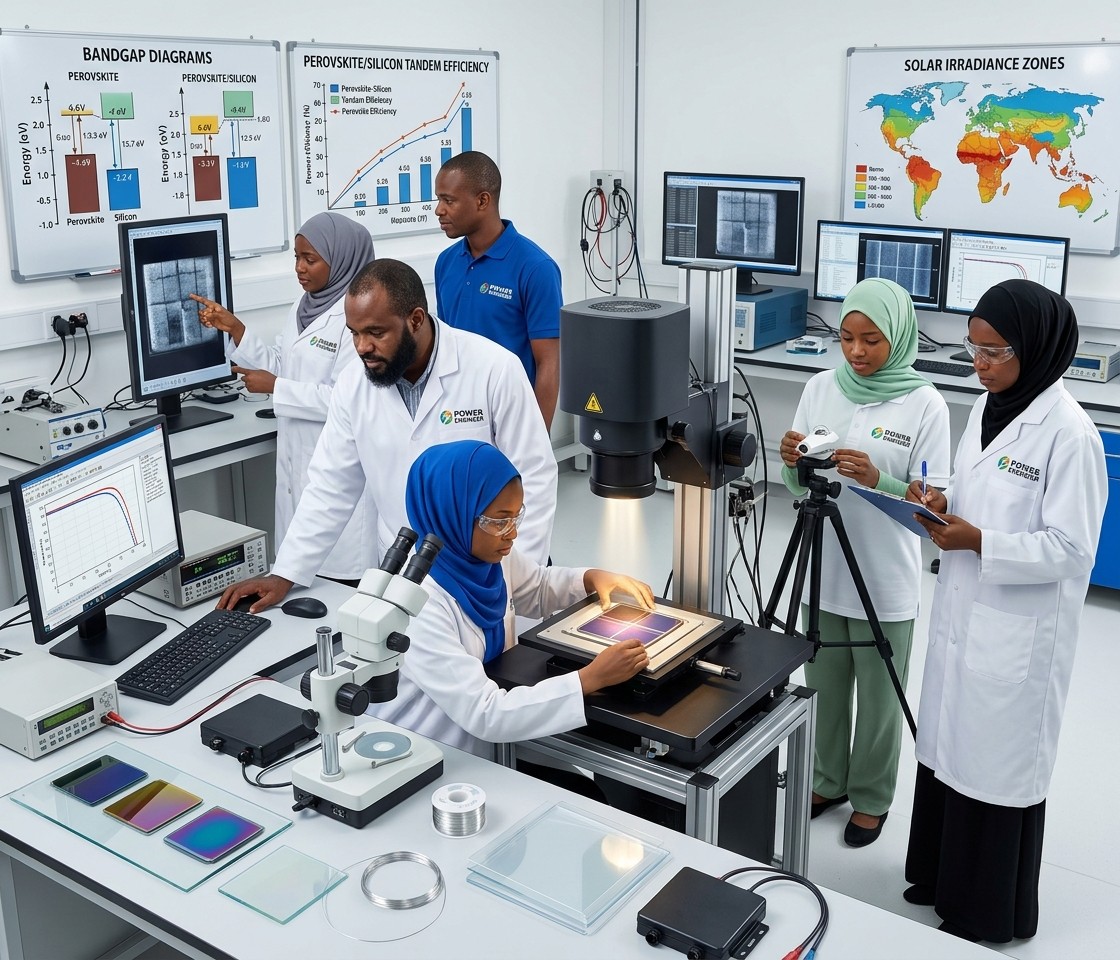
Hubs for scientific, and technological research



Our programs are designed to develop skilled engineers for the modern world.
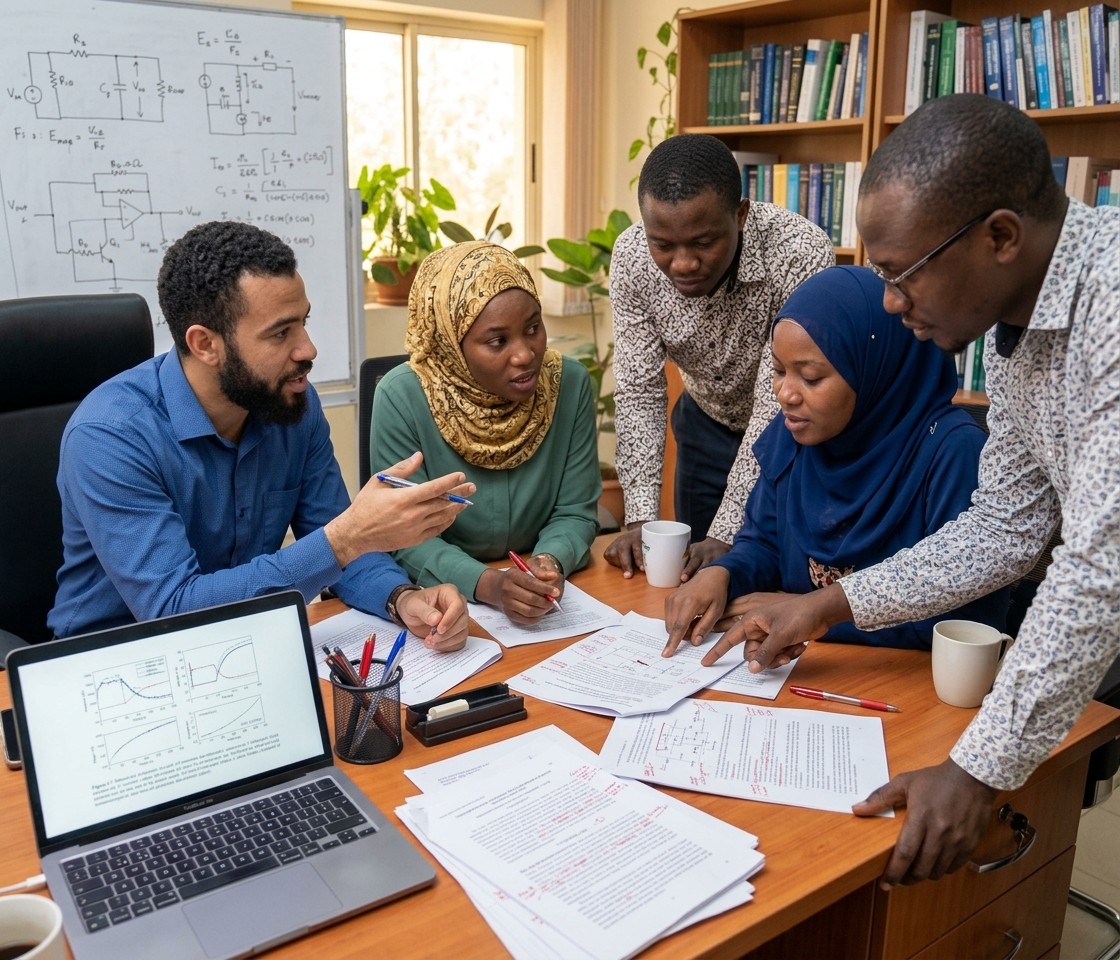
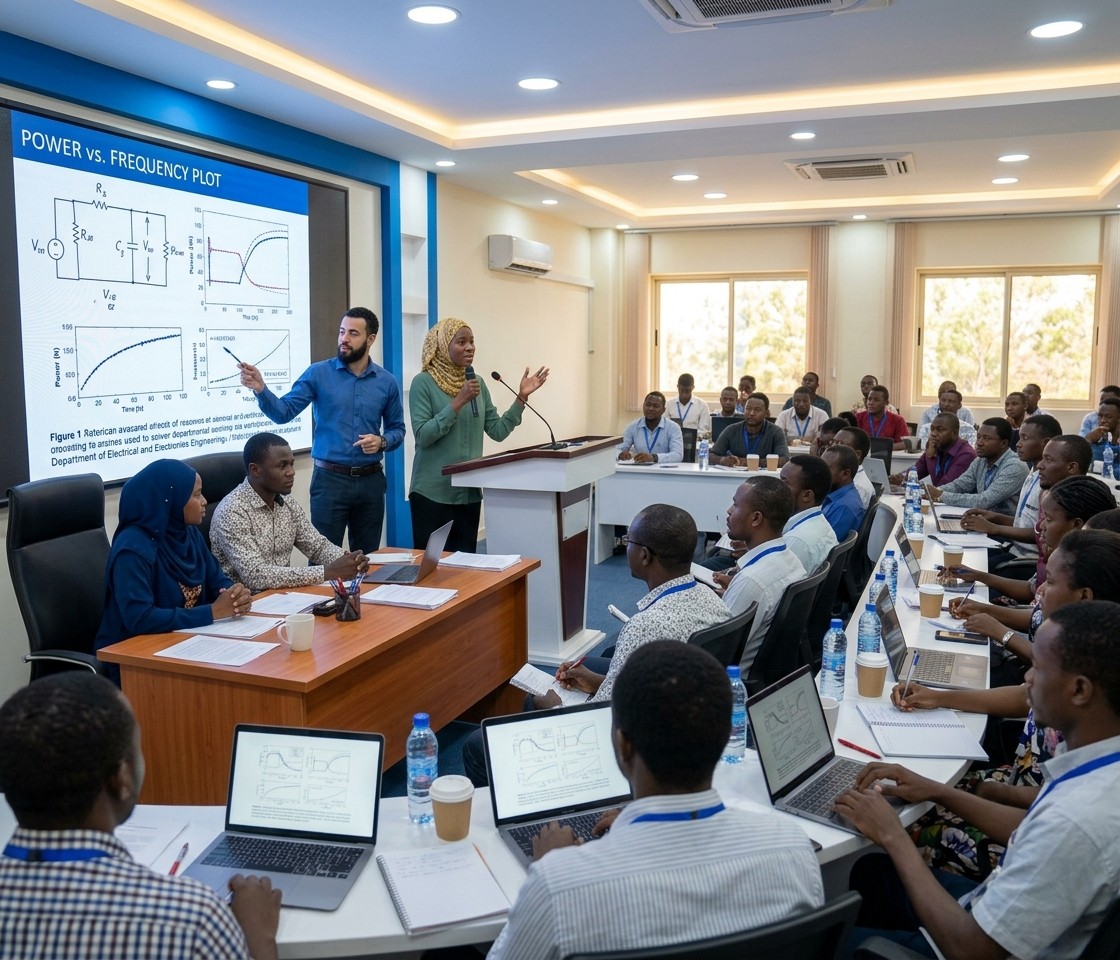
The department is committed to advancing engineering education and research.
The department is dedicated to continue learning and research.



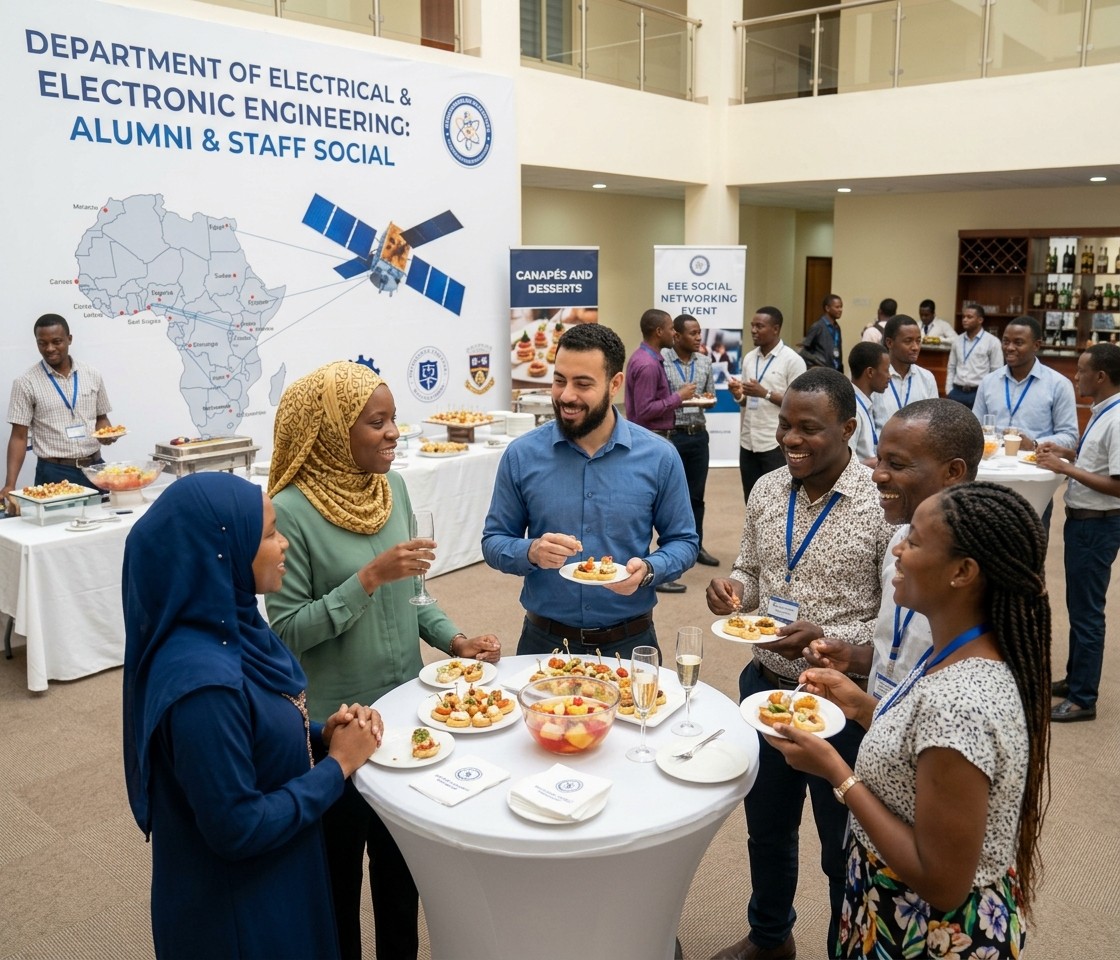
2300 + Alumni, Connect with our successful graduates and expand your professional network.
Join us now to begin your transformative academic journey with us.
Experienced, innovative, and dedicated educators shaping the engineers of tomorrow.
Lecturer II
Electronics and Communications

Graduate Assistant
None
Assistant Lecturer
Power Systems
Assistant Lecturer
Communications
Lecturer I
Power Systems
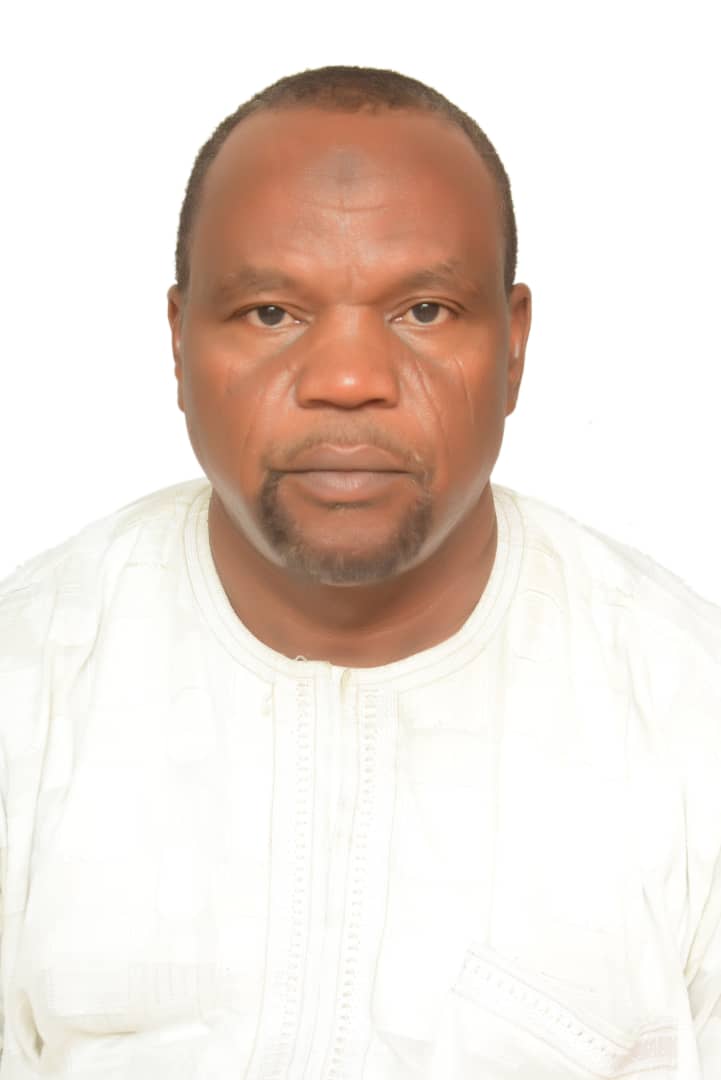
Profesor
Power Systems
Lecturer I
Power Systems
Professor
Communication & Information Systems
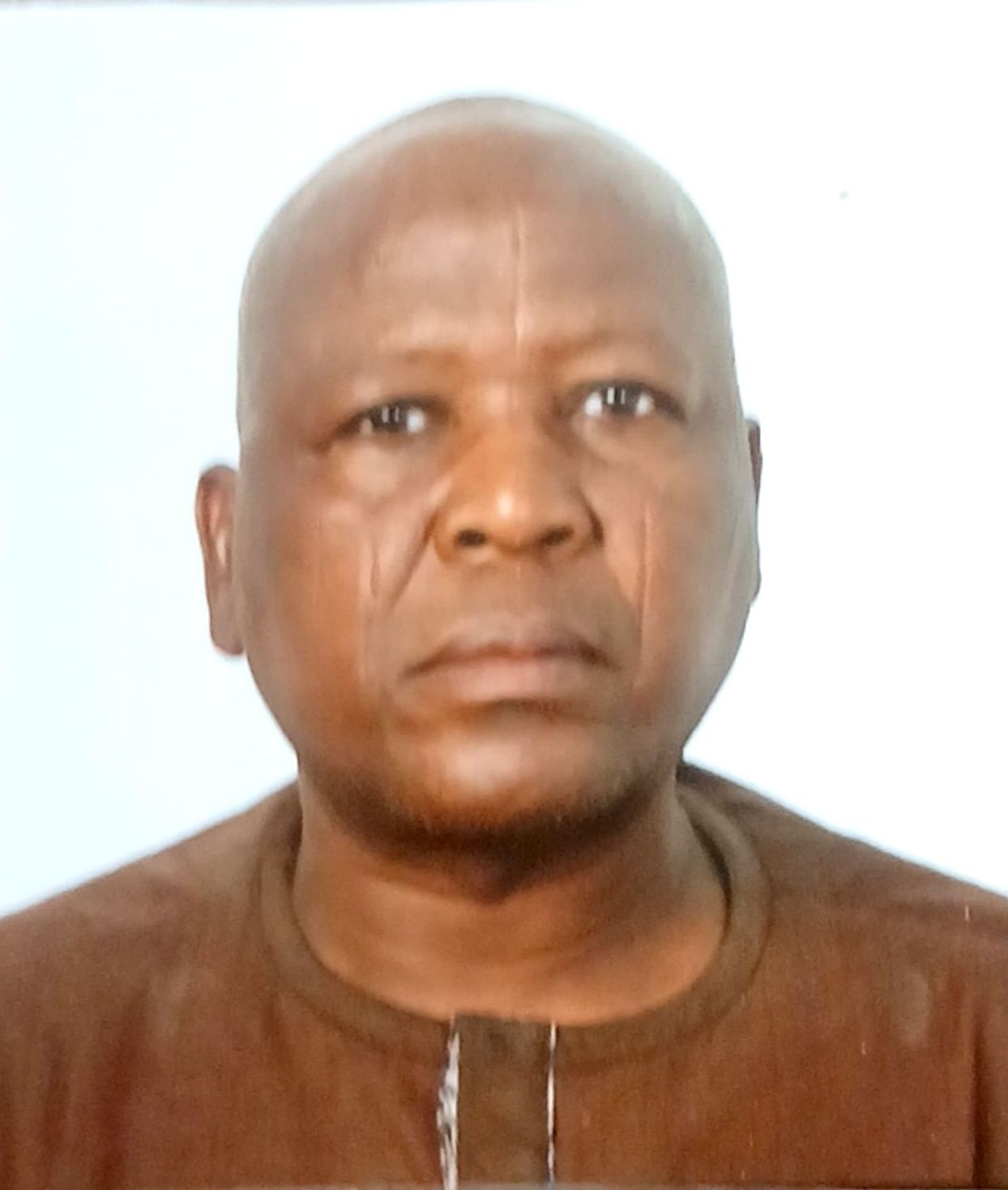
Senior Lecturer
Power Systems
Professor
Power Electronics
Professor
Power Systems

Professor
Telecommunications and Electronics
Lecturer I
Power Systems
Assistant Lecturer
Electronics and Communications

Senior Lecturer
Control Systems
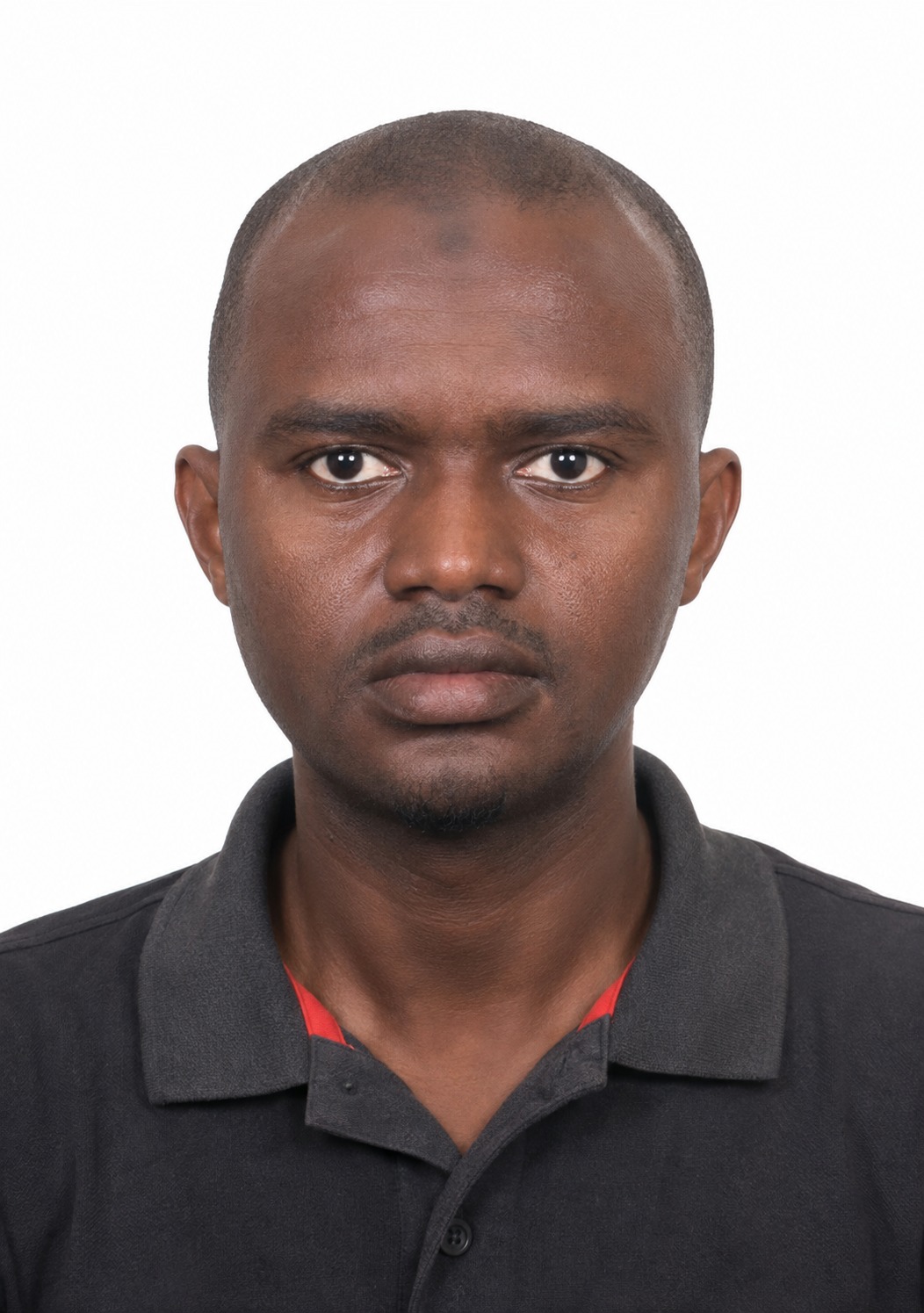
Senior Lecturer
Power Systems
Senior Lecturer
Power Systems and Renewable Energy

Lecturer I
Power Systems
Lecturer I
Power Systems
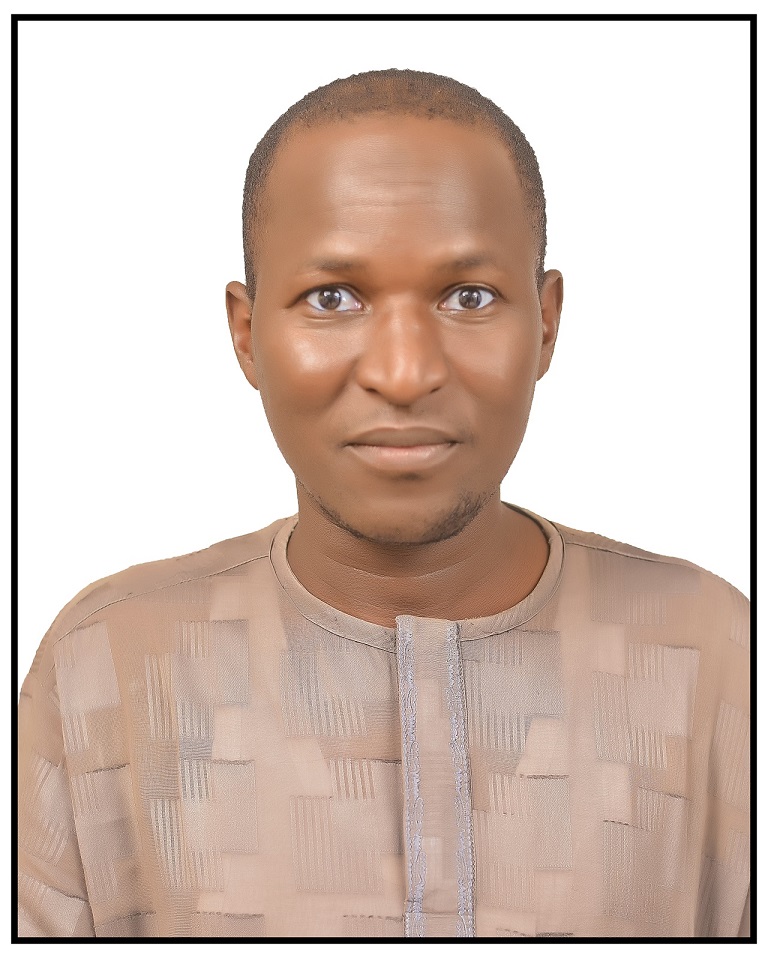
Senior Lecturer
Power Systems
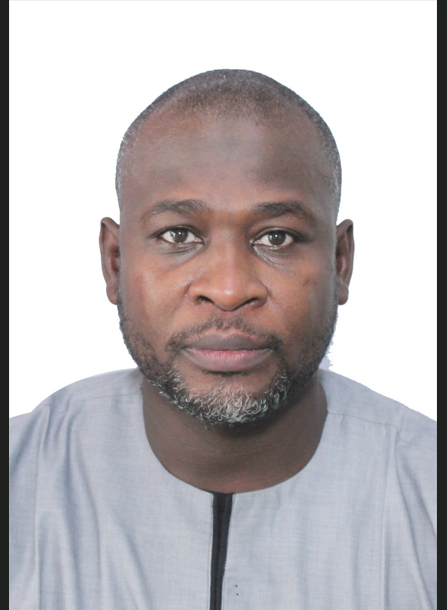
Senior Lecturer
Power Systems
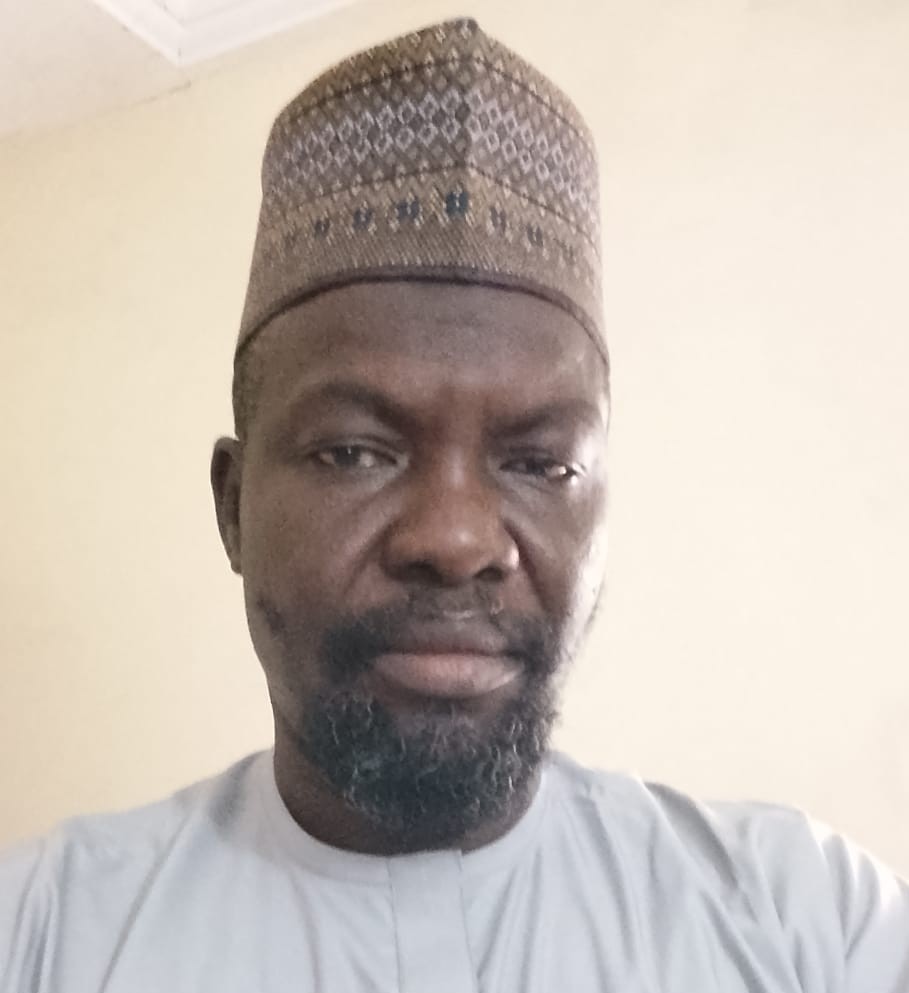
Reader
Power Systems
Lecturer I
Instrumentation
Lecturer I
Instrumentation
Senior Lecturer
Power Systems
Lecturer I
Electronics and Communications

Senior Lecturer
None