



Prof. I. Mustapha
HOD, EEE
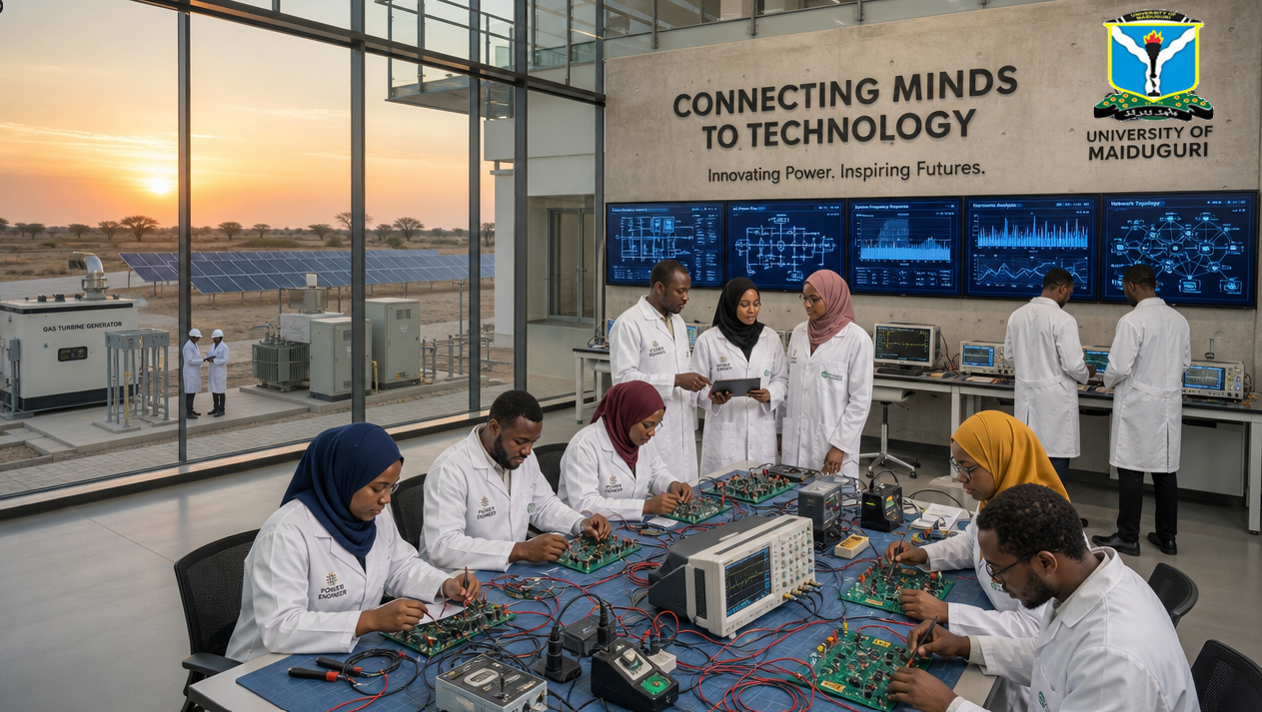
About EEE Department
At the Department of Electrical and Electronic Engineering (EEE), we empower our students to explore ideas, challenge conventions, develop practical skills, and realize their full potential through meaningful academic, laboratory, industrial, and research experiences.
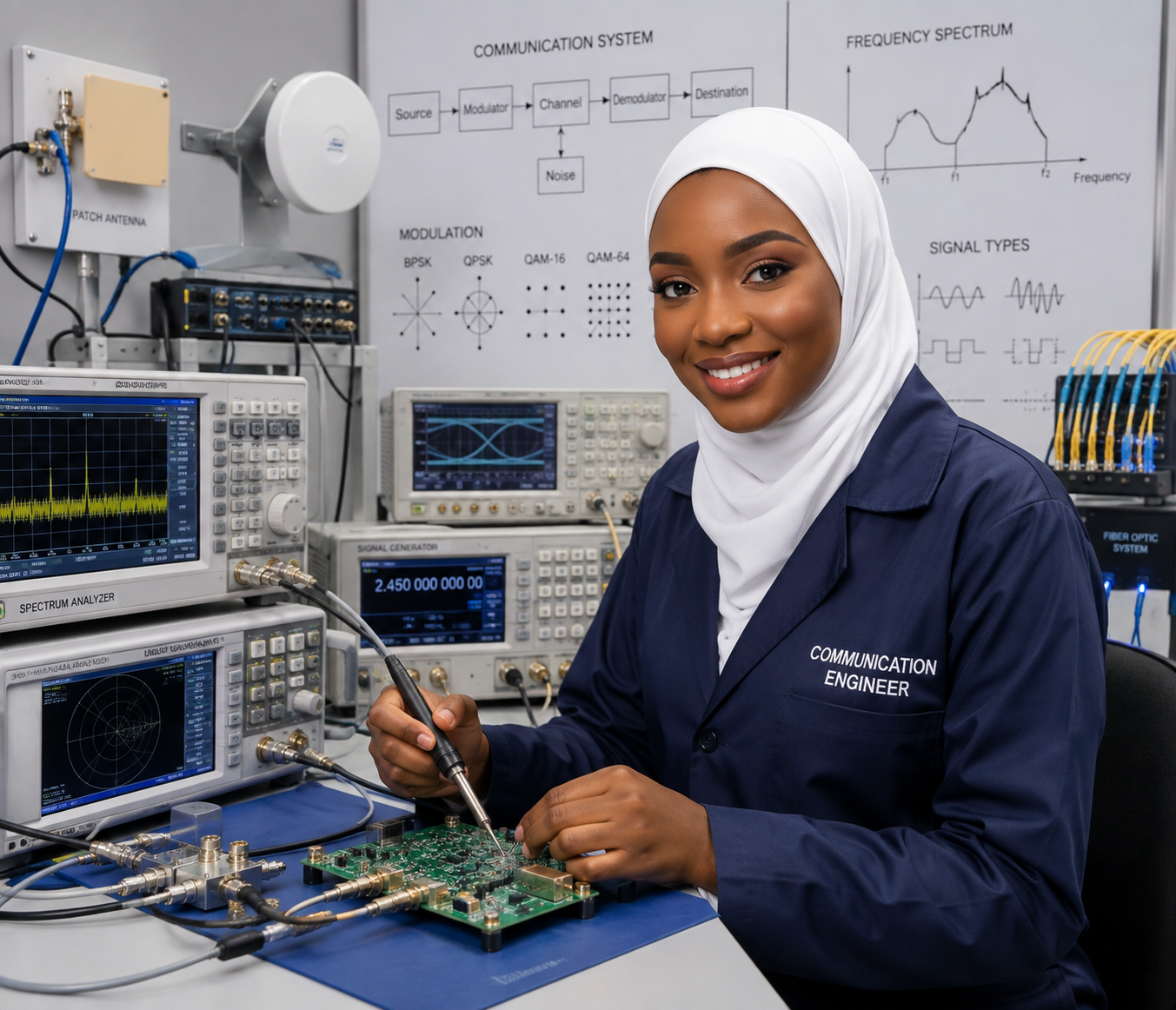
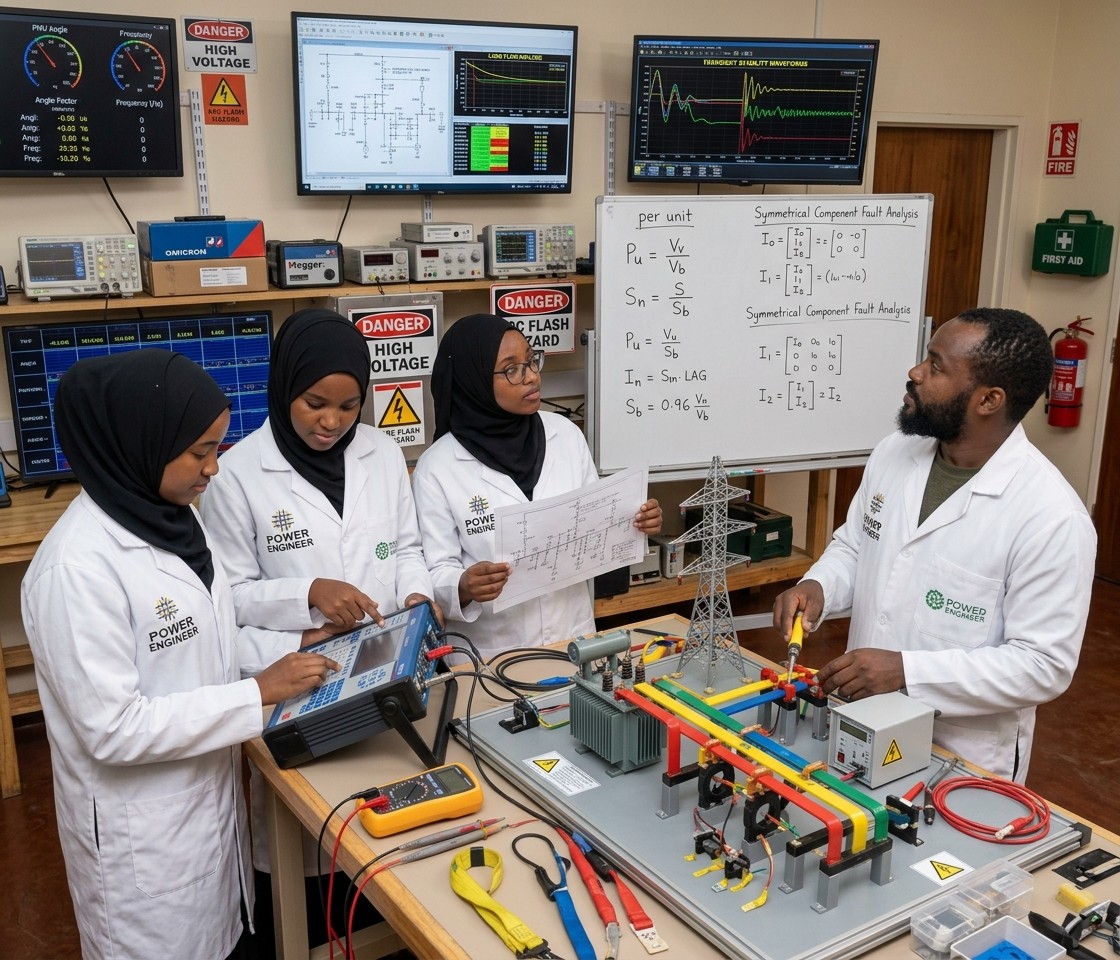
Our dedicated academic staff bring expertise across Power Systems, Electronics, Communications Engineering, Control and Automation, Embedded Systems, and emerging technologies, providing students with a strong foundation in both theory and practical application.
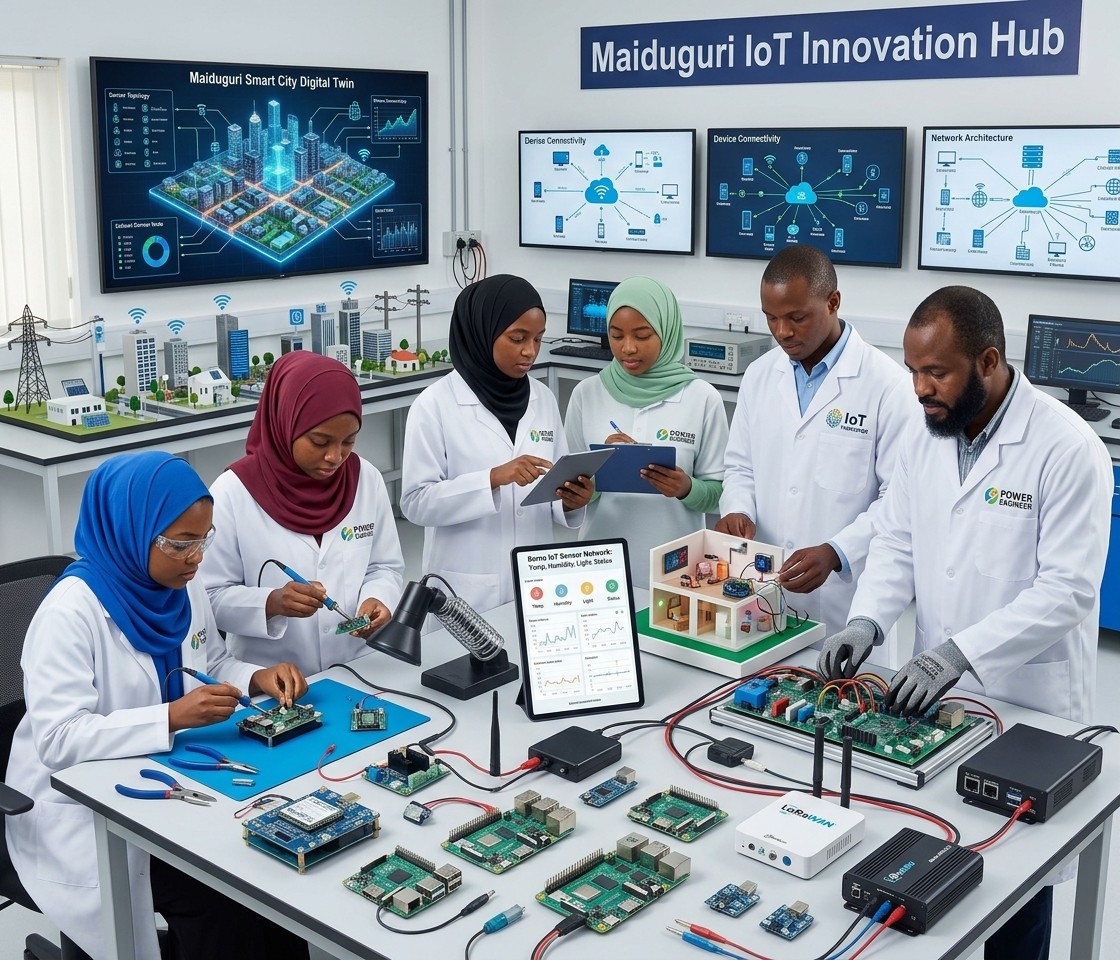
Through modern laboratories, hands-on training, industrial visits, collaborative projects, research activities, and industry engagement, we create a dynamic learning environment where students can transform engineering knowledge into innovative solutions to real-world challenges.
At EEE, we do not simply teach engineering—we inspire innovation, develop competence, and prepare engineers to shape the future.
Brief History of the Department
The Department of Electrical and Electronic Engineering, University of Maiduguri, was established in 1983 as part of the Faculty of Engineering, in response to the need for locally trained engineering manpower for national development. The Department commenced student enrolment in the 1984/1985 academic session.
The Department offers five-year B.Eng. programmes for UTME entrants and four-year programmes for Direct Entry students, alongside postgraduate programmes in Communications Engineering, Power Systems Engineering, and Electronics Engineering. Its programmes are structured in accordance with NUC BMAS and CCMAS requirements and relevant professional standards.
With qualified academic staff, experienced technologists, and modern laboratory facilities, the Department is committed to quality teaching, research, innovation, and practical engineering education. Its graduates contribute to industry, academia, government, and entrepreneurship, with many belonging to professional bodies such as COREN, and NSE.
Philosophy of the Programme
The philosophy of the Electrical and Electronic Engineering (EEE) programme is to produce graduates who are not only academically sound but also practically skilled, innovative, and globally competitive. Our graduates are expected to contribute to the transformation of the engineering profession and related industries, in line with national development goals and global best practices. We believe in training engineers who:
Objectives of the Department
The Department of Electrical and Electronic Engineering is committed to providing quality, industry-relevant, and practice-oriented engineering education that equips students with the knowledge, skills, and professional competencies required to address contemporary technological challenges. The Department aims to promote excellence in teaching, research, innovation, entrepreneurship, and professional practice, with particular emphasis on Power Systems, Electronics, Communications Engineering, and emerging technologies.
The Department also seeks to strengthen industry–academia collaboration, practical and experiential learning, and research-driven innovation, while developing ethically responsible and professionally competent engineers capable of contributing meaningfully to national and global technological development.
Employability Skills
Our graduates are expected to leave the programme with the following skills: